Before/After Condo Tour: Sell the Transformation. Room as Chapter, Price as Plot: The 5 Laws of Condo telling That Separate the Viral Videos from the Boring Tours
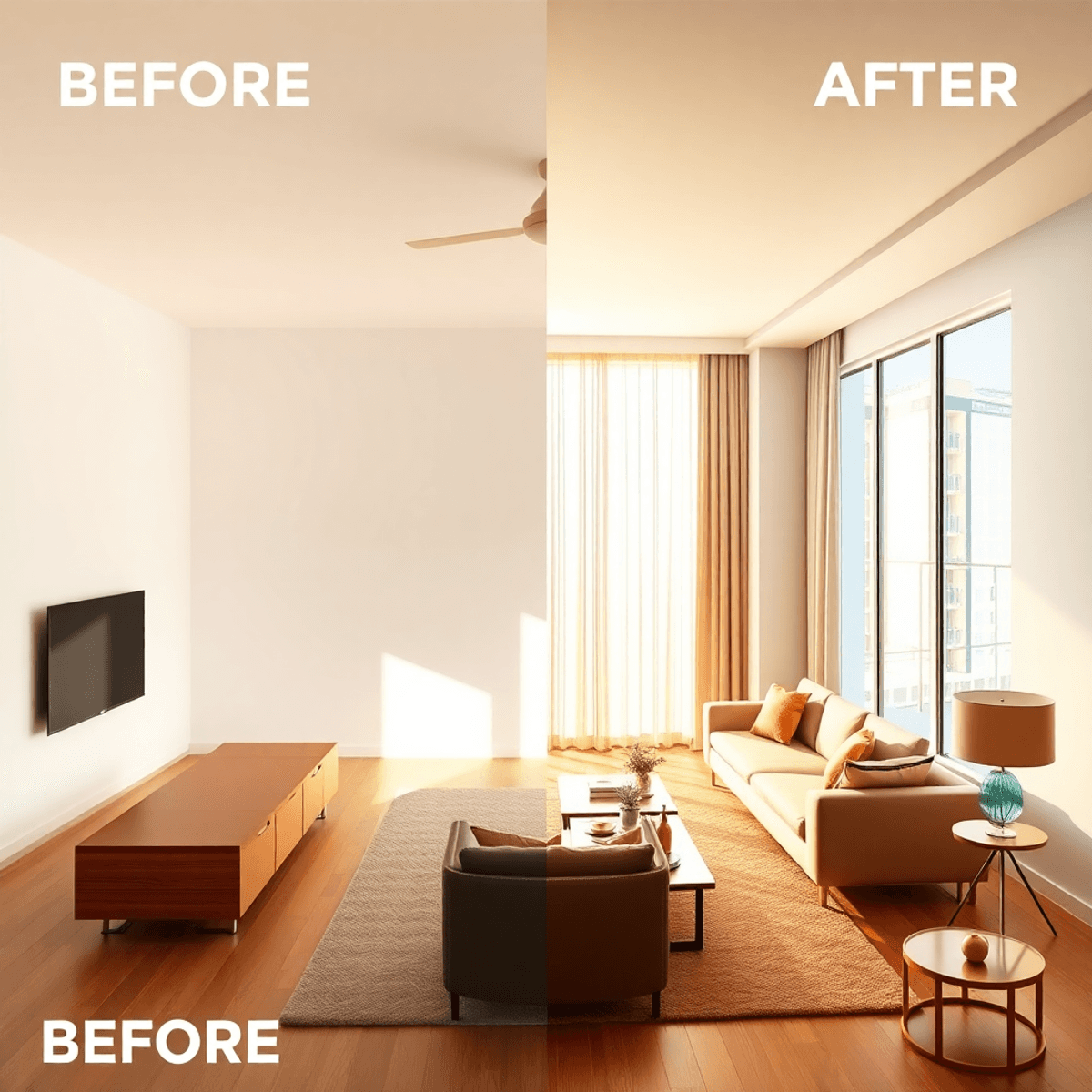
Before and after condo tours are a strong way to show a story in real estate marketing. They do more than just display a property. They show how the place changes over time—turning a plain space into something very special. This pulls in buyers, sellers, owners, and expats who want more than just a home. These people are looking for a better way to live.
The key to making a good before and after condo tour is to first know the condotelling rules and also use the condotelling narrative framework. These tools help you build clear, fun stories. They let people feel the changes in both how the space works and how it feels. If you use these simple steps, your videos will have good info. People will also want to share them and they will stand out in their minds.
Key parts of the condotelling story framework include:
Treat each room like it is its own chapter that tells a story.
Share the price in a careful way to make people feel curious and see the value.
Show before and after so people can see the change right away.
Be honest about flaws to help build trust.
Finish with a message that makes people feel something and want to take action.
Using these ideas helps you sell the change in a good way. If your readers are expats who want to make their lives easier, owners who wish to invest, or buyers who dream about their next home, condotelling builds stories that connect with them and pull them in.
In today's digital world, how real estate marketing experts are leveraging digital marketing trends is very important if you want to do well. To be good at this, you need to understand the future of digital marketing. This means you should use things like better SEO and eye-catching video content.
Moreover, it's important to know the emotions you need to evoke for your real estate marketing.
When you use these emotions in your marketing, you can tell better stories. This helps you make a good connection with buyers and sellers.
At the end, working with SERP marketing agencies producing high-quality content can help you get better online. This can give you more people seeing your work and your site in the real estate market, where many are trying to do well.
Understanding Condotelling: The Narrative Framework Behind Successful Condo Tours
Condotelling is a special way to tell stories for condo tours. It is not like the usual real estate talks. Condotelling puts together the features, the feel, and the lifestyle of a condo into one story that is easy to follow. This way, it speaks to tenants, agents, and buyers. It makes simple pictures and facts feel more interesting and fun.
The Role of Narrative Structure in Condo Tour Storytelling
A good story structure is important when you make real estate videos. If you do not use this, your condo tours can feel boring. There can be too much focus on features, and this will not hold people’s interest or make them do something. The condotelling story way brings:
Emotional connection: Stories reach people more strongly than facts on their own. People can imagine that they are in the space when the story shows things they care about, like comfort, good work, or being with others.
Clear order: A good tour takes people through each space step by step. It feels like one story that moves, not just jumping to random rooms.
Careful timing: Showing the right things at the right time helps people stay interested. It makes them feel curious and want to see what comes next.
How Condotelling Transforms Simple Tours into Compelling Stories
Using the condotelling rules narrative framework, a regular condo tour turns from a plain walk-through into something alive and engaging. This way, it connects better with people in more ways.
Buyers do not just look at the size of the condo. They think about how their life will feel better because of what makes this condo special.
Renters care about things that make life easy, like where the condo is and the things it offers for their day-to-day needs.
Real estate agents and sale agents get a strong way to set their listings apart from others in a busy market.
The framework lets you show what makes each condominium special. You can do this while talking about both practical needs and what people feel. If you use these rules for your condo tour stories, you will make videos that stay in the minds of people even after they finish watching.
Also, now there are new tools using AI. This means you can translate videos seamlessly. This helps your condotelling strategy reach more people and work even better.
The 5 Laws of Condotelling That Separate the Viral Videos from the Boring Tours
Law 1 — Room as Chapter: Every Space Tells a Story
The first rule in the condotelling five laws says you should see each room or space as its own chapter. This way of showing room as chapter video technique turns a simple walk around into a story that holds your attention. Each area helps the message feel strong and clear.
Living Room = Possibility: The living room is the heart of the home. Natural light fills this area, making it feel open for family time, entertaining friends, or relaxing alone.
Bedroom = Rest and Renewal: Set bedrooms with emotional themes like comfort and privacy. Soft lights and warm touches help viewers picture a cozy place to unwind after a busy day.
Balcony = Escape: A balcony can feel lived-in and personal. Go outside to enjoy fresh air or take in the city or greenery. A balcony brings freedom to daily life.
Condominium Amenities as Special Moments: Make the gym a place for health and energy; a rooftop terrace can feel like a social spot just for you; a home office gives the feel of a modern workspace made for you.
Special Features Like Private Cinema: A private theater makes the space feel deluxe. It helps buyers or renters feel drawn in, dreaming of new ways to live or have fun.
With this way, you make a plan that moves from one place to the next in a clear order. This helps people stay interested, because each space has its own feel and use. Here, you do more than just show rooms—you share their own stories, connecting with what your viewers feel and want.
This law is a big part of the condotelling rules narrative framework. It helps make every section feel important and easy to remember. The parts do not feel random or flat. When you use this method in your video tour, it adds more life to the story. The video shows what people look for and hope to get in their way of living.
Moreover, if you want to make your video tours better, try starting a quirky ad campaign. This could get noticed by a lot of people and go viral.
Law 2 — Price as Plot: Reveal Pricing Gradually for Impact
The condotelling five laws use a smart way to set condominium prices. This way changes simple numbers into a story. Instead of saying the whole price at once, use the price as plot technique. This means you give cost details step by step. By doing this, you follow the condotelling rules narrative framework. Pricing then becomes a series of points in the story that keep people interested.
Key tactics for implementing Price as Plot:
Break down price by room or feature: Instead of just saying "This condo costs $500,000," show what the value is for each space. Talk about things like the kitchen’s smart appliances and share what they cost. Then show the price for the private cinema or rooftop terrace.
Create suspense with incremental reveals: Let people guess the cost for each part as they see the features. This makes them stay interested as they see the value in each step, so they are not hit with one big number from the start.
Link price reveals to emotional beats: When it is time to tell the price for something popular, like a private cinema or rooftop terrace, share why it makes life better. Talk about what you feel you get for the cost. This makes each price feel right.
Use visual cues to support pricing: Use things like graphs, text on the screen, or pop-up notes to show these prices as you go through the tour, and keep your video smooth.
This price reveal video strategy turns what could be dry numbers and facts into a story that moves over time. With this way, you share the price bit by bit, just like how old stories build tension as they go. People watch and feel that build-up with each part, and at the end, they really get and like the full value of the condo.
When you make pricing part of your viral condo tour formula, you help buyers and renters feel more. They do not only look at numbers. They feel and understand how each thing in the home adds to what it's worth.
When you use the room as chapter video technique, showing prices for each room fits well with your tour story. The cost of each space becomes a part of your bigger condo story. You can talk about things in the building, like gyms, places to watch movies, or nice rooftop views.
This approach helps people watch the videos again and share them with others. They want to see every detail and think about the value in each part. This way of showing homes is more about telling a story than just making a list. The smart way prices are shown is also a big reason videos go viral in today’s real estate market.
Law 3 — The Before/After Frame: Showcasing Value Through Comparison
The condotelling five laws focus on using good storytelling to make condo tours feel more like stories people want to hear. The before/after condo video comparison is a big part in the viral condo tour formula. In this part, you get people to see and hear the changes. This helps people understand what they get for the price and why life in the condo is good. It lets viewers feel the difference in a real way.
Why Comparisons Matter
Using comparisons to common market prices or different places can be a good way to get people’s attention. This is very helpful for people buying from another country who want to look at choices in other cities.
Examples of Effective Comparisons
For example:
Show how a condo’s price in your market matches up to a unit like it in NYC or another big city.
Point out how much more you get for your money with spaces that have things like a private cinema or rooftop terrace in neighborhoods that cost less.
Put the lower price next to better things, like being able to use a gym or being close to train and bus stops.
The Power of Visual Storytelling
Telling a story with pictures is important here. You can put images or video clips next to each other to show a small, old room beside a new one with open space and new features. If you add prices for each square foot or put monthly fees by each picture, it helps people feel like they are making a smart choice.
Enhancing Your Message with Verbal Contrasts
Verbal contrasts enrich this approach:
“While a comparable rooftop terrace in downtown Manhattan might cost three times more, this unit offers not only similar views but also exclusive access to a private cinema and gourmet kitchen.”
This way speaks to the feelings of buyers. It shows that buying can feel like a win. The method is good for people who live in the city and for those from other countries. They want a better way of life, but they do not want to pay too much.
Creating a Seamless Narrative Flow
Adding these things to the room as chapter video technique helps the story move along. Each space now is a part of a bigger story about how people can raise their quality of life for a price they can afford. All of this is made better by condominium amenities that make daily life feel special.
The condotelling rules narrative framework helps you share these comparisons in a way that feels smooth and easy. It does not feel forced. This keeps things true and helps people stay interested while they watch the tour.
Law 4 — The Honesty Contract: Building Trust Through Transparency
Trust is the base of any good real estate meeting. The condotelling five laws show that being honest is not just the right thing to do. It also helps you stand out when you make viral condo tours. The condotelling rules narrative framework says you should show real give-and-take in every place. This means you turn things that are not perfect into stories people can feel, not just things that are wrong.
Embrace Imperfections to Build Credibility
You might feel unsure about talking about things like an air conditioner that makes a lot of sound or not having much room for clothes. But when you share these real problems, your video will feel more honest and interesting. Do not leave out what is wrong. You can say things like:
“The AC is loud but cools the entire unit evenly.”
“The balcony isn’t huge, yet it offers stunning sunset views.”
This way fits with the room as chapter video technique. Each room shares its own story. This shows what is good and what may not be great. It is like what real buyers feel. This helps people not feel tricked when they see the place in person.
Why Honesty Enhances Viewer Trust and Engagement
Here are some reasons why being honest can help you build trust and bring in more viewers:
Builds long-term trust: People see it when a presenter shares things openly. That makes them feel good about following your future posts or reaching out to you.
Sets you apart from super shiny marketing: A lot of home listings hide problems and look perfect. When you are honest, your tour will stand out from other plain walks through homes.
Helps people feel a connection: Pointing out what’s not perfect makes the home and you feel real. This helps build trust and brings people closer.
Stops problems from showing up later: If you talk about possible problems right away, buyers or renters feel fewer shocks. This makes it easier for everyone to talk and make choices.
Applying Honesty Across Condominium Amenities
Honest storytelling is not only for inside areas. You should also talk about things like the private cinema or the rooftop terrace. Give clear and fair details about these well-liked features. This can help people get a good idea of what to expect.
The private cinema has seats for 20 people. It is good for most times, but it can feel crowded when it is busy.
The rooftop terrace lets you see the city very well. But it does not have a full cover when there is rain.
These clear choices show respect for the viewer. They let people see what is good about the place in a real way.
The viral condo tour formula works by mixing excitement with a real view of the place. If you give honest thoughts as you follow the condotelling rules narrative framework, your tour will feel less like a sales pitch. It becomes more of a friendly guide to life in the condo. Because people feel they can trust you, they stay to watch and feel ready to take steps on their own.
Law 5 — The Transformation Payoff: Ending on an Emotional High Note
The last law in the condotelling five laws is called The Transformation Payoff. This law is about making a strong and real emotional change at the end of your condo tour story. After you show people each room like it's a chapter, share prices when it matters, and be open about what is not perfect, you need to give people a reward that feels good and has meaning.
Emotional Shift: From Doubt to Empowerment
Buyers often go into condo tours unsure or not sure if it is the right fit. They might worry about how much it will cost, if there is enough space, or if they will like living there. Showing how the condo can go beyond these worries helps open up new ideas for what life there can be. You might want to highlight:
The calm you feel in a bedroom made for rest and fresh energy.
A busy social life you get when there is a rooftop area or a private movie room.
Good living made possible by nice condo features like someone to help at the door or having the skytrain close by.
This emotional storytelling turns the condo from just a place to live into a way of life that people want. People feel strong and see themselves living well in the space after they see it.
Anchoring Viewer Retention
The transformation payoff helps hold the attention of the viewers until the very end. A viral condo tour works well because it builds up feeling in people, which makes buyers or renters want to watch and then do something after. When you finish by showing a strong vision of what could happen:
Interest grows into desire.
Curiosity grows into questions.
Watching without a lot of action turns into people who join in and take part.
Using the room as chapter video technique, you can go over the main moments again. For example, you might bring up things like how warm and close a private cinema feels, or what it’s like to see out across the roof terrace. With this, you can connect each spot to the main story. These parts come together and feel like a journey, not just simple things to sell.
Condotelling Rules Narrative Framework in Action
The transformation payoff is the point where all the past rules and parts of condotelling come together. It finishes the story that started in other rooms and when the prices got shown. It gives people answers and gives them hope. This last part should look nice and feel strong for people watching:
Use warm lighting and camera angles that feel friendly.
Add stories from people or quick thoughts from those who know the place, if you can.
Point out what makes this condo stand out and how it can make daily life better.
Ending your video well helps people remember your condo tour. It is easy for them to connect with it. The video grabs their interest and shows what makes your place special. This helps your listing stand out from many others.
The power of condotelling is that it can change normal spaces into great stories. The way spaces are changed shows this power. It makes people feel inspired. People start to see more than just walls and floors. They begin to picture their own future in this place.
Applying the Before/After Condo Tour Technique to Sell Transformation Effectively
Making a good before after condo tour is about more than just showing what the place looked like and how it looks now. You want to tell an emotional transformation storytelling condo tour that helps people feel something and feel close to the story. Follow the five laws of condotelling to guide you as you do this.
Step-by-Step Guide to Structuring Your Condo Tour
1. Room as Chapter
Start by breaking the condo into parts. Each room or area has its own story to tell. Show what it looked like before. Then, quickly show what it looks like now to show the big change. For example:
Living Room: It changes from a crowded and dark place to an open, bright, and warm one. It is now a good spot for people to meet and spend time together.
Bedroom: It moves from being plain to a warm and calm place, which helps with peace and rest.
Balcony or Viewpoint: You can see how outdoor space turns into more of your daily life.
2. Price as Plot
Break down the cost for each room or feature instead of saying the whole price at the start. This helps people feel curious. You can also make small moments feel important in your video. Show the value at the end of every part.
3. Before/After Frame
Show images or video of the condo before and after the work to make it look better. Put these shots next to each other or fade from one to the next. This helps people see the changes and how the condo is now better to use.
4. The Honesty Contract
Be honest about trade-offs but show how the good things are more important than the bad parts. For example, an AC unit can be loud. But soundproof windows help block the sound. This means you will not get disturbed.
5. Transformation Payoff
End your story on a high and warm feeling. Show how the makeover is not just about the space looks, but also about how it helps people live better. It can make them feel strong, more at ease, and open to new things.
Emphasizing Visual Transformations
Visuals are the main thing you have in a before and after condo tour. Keep your attention on:
Renovations like new floors, fresh paint, modern lights, or open layouts that change how rooms feel.
Staging with nice furniture, good use of sunlight, and decor touches that make the mood and style feel right without being too much for buyers.
When you show these changes next to each other, it is clear that there is progress. It also shows more value.
Tips on Scripting and Filming
Highlight Key Changes: Make your video about what matters most to buyers. Show how you use space, bring in more sunlight, add smart ways to store things, or put in better appliances. Point out these things clearly in your words or text on the video.
Use Consistent Angles: Film the “before” and “after” shots from the same spot so it’s easy to see the difference.
Engage Emotionally: Add true stories or everyday situations about what happens in each room (“Picture yourself relaxing here after a long day…”). Talk to viewers as “you” so they feel part of the scene.
Pace Your Story: Keep videos short but strong. If you spend too long on one part, people will lose interest.
Include Call-Out Graphics: Put text or graphics over your video to show off new features without stopping your video.
When you do these things well, your before/after condo tour becomes more than just a show. It turns into a story that helps buyers feel why each change in the home matters. This way, people can see the real value in what has been done.
If you want to know more about how to make good video ads for these tours, you can check out this in-depth step-by-step guide.
Leveraging Unique Condominium Amenities in Your Tour Narrative
Condominium amenities are very important for the way you show and talk about a place during your condo tours. The condotelling rules narrative framework asks you to focus on these features as different parts of your video. You should show how each one can give something special to the people who might buy, rent, or invest.
Highlighting Lifestyle Benefits Through Amenities
Features such as a co-working space or private office can turn a condo into more than just a place to live. These spaces help you get your work done and adjust to your needs. If you are a professional or work from home, you will like how these features help in your work and day-to-day life. Tell your readers that these rooms make it easy to focus and work, so people can feel good about working and living at the same time in the condo.
The gym is also a strong part of the story. Show more than just the gear. Show the life someone can have with it—full of health, energy, and feeling good. This connects to what buyers want for their lives, not just what they need to use.
Transportation Access as a Key Narrative Element
Being close to public transit, like skytrain or metro stations, makes the condo much more attractive for expats and people who live in the city. These are not just things that help you. They feel special because they let you have freedom, save time, and stay connected to the life of the city.
Work these transit links into your tour story to show:
Easy commutes with no need to drive
You get to business areas and fun spots fast
Travel options that are good for the planet and fit how most people live now
Incorporating Food Delivery Options into the Story
Food delivery services inside or close to condo buildings make your story better. This is good for busy workers and people from other countries. They like things to be easy and quick. These services help them enjoy life more without giving up what they like.
You can show nearby food delivery options or ones connected to the building as part of the “comfort” or “ease” part of your tour. Let people know how this helps with other good things your place offers. It brings all the best things together to make life simple. This saves you time and can make your day feel less stressful.
Using Amenities to Differentiate Your Condo Tour
When you use condotelling rules, do not just list all the things a place has like a simple checklist. Instead:
Give each place a feeling: The gym = full of life; co-working space = gives you power; metro close by = feel free.
Show photos that make people feel something: A sunny roof top area with Wi-Fi for short work times; calm spots in private places for work that needs focus.
Bring in short stories with things people can really use: "Think about ending your gym time and getting a fresh smoothie brought right to your place."
This way changes the usual condo tours into strong stories. These stories focus on the good parts of living there. They talk about what people want the most today.
Amenities are more than just features. They show people the values and things that could happen in the place. When you include them the right way in your condo tour story, you do not just follow the idea of condotelling. You also help connect with what the audience wants. This can make people feel more involved.
Tailoring Your Condo Tour Story for Different Audiences
If you make your condo tour story fit each audience, you will get them more interested and see better results. Every group, like expat buyers, tenants, owners, sellers, and real estate agents, has unique reasons and things they care about. When you use persona-driven stories within the condotelling framework, you can talk right to their needs and what they look for.
Expat Buyers: Convenience and Lifestyle Appeal
Expat buyers often look for things that make life easy. They want to get to places without trouble. A smooth move to a new city is the top thing they want. Their focus is on:
It is good to be close to public transport like the skytrain or metro stations.
You should look for places with things you need, such as international schools, medical centers, and grocery stores with food from all over the world.
Some community features can help people feel welcome. For example, coworking spaces and staff who speak many languages make it easy to get to know people and settle in.
When scripting tours for expats:
Set up rooms so they feel comfortable and work well for remote work or life at home with family.
Point out how the things you offer can make daily tasks easier.
Tell stories that show what life is like there. Focus on how easy it is and how well people can feel close to each other, not just how the space looks.
Owners: Investment Potential and Long-Term Value
Owners who want to use condos to make money like to see clear signs. They want to know if the condo will go up in value over time and bring good rental income.
Show why the condo is in a good spot in places where people move in a lot.
Talk about how well people know the building, how things are kept up, and how steady the people living there are.
Explain that fixing up or setting up the home helps to get more people interested.
Narratives for owners should include:
Little money details showing the price for each square foot or what you may get from rent.
Comparisons with other properties showing how you can save money.
Clear talks about things you might give up, but also things you could gain.
Tenants: Prioritizing Ease of Rent and Comfort
Tenants care about ease, price, and being comfortable while they live there.
Key storytelling points include:
You can get to transportation spots fast for going to work.
Lease times are easy, or the place is good to move in.
There are safety things, and people feel part of a group.
Tours tailored to tenants should:
Think of every room like a new chapter that shows daily life. A bedroom should feel calm. A kitchen should be useful.
Show features that make life easy. Food delivery spots and having laundry right there help a lot.
To build trust, be open about any flaws. Still, make sure to talk about all the good things you offer.
Sell Agents & Rent Agents: Creating Sellable Hooks
For real estate agents who work in sales or rentals, the story should have strong details that help the listings stand out.
Techniques involve:
Finding what makes the place stand out, like rare top-floor views or a gym that is just for people who live there, early in the story.
Tapping into feelings that match what the people you want as buyers dream about. It could be fancy homes for wealthy buyers or easy renting for busy workers.
Sharing the price in parts to keep people guessing and interested as they watch the video.
Agents get more from persona-driven condotelling. They make scripts that talk about client worries right away and show good sides of the place by speaking and using visuals. This helps sale agent and rent agent do well. The property sticks in people’s minds and seems like something they can feel connected to.
Changing your condo tour story to fit these different points of view in the condotelling system helps each person feel you are speaking just to them. When you shape your story for the people watching, it helps build strong ties. This can lead to quicker sales, easier rentals, and clients feel happier with what you do.
In addition, knowing about things in your area like public transport accessibility can make your property listings look more attractive.
Practical Video Tips for Honest and Engaging Real Estate Content
Making honest real estate videos means you need to focus on how your video looks and the story it tells. These honest real estate video tips can help you show the property in the best way. At the same time, you keep trust with people who watch your videos.
Lighting: Setting the Mood and Clarity
Use natural light when you can. Daylight shows the real colors. It also makes a place feel warm and friendly.
Film in the morning or late afternoon. Sunlight is softer at this time and helps to keep harsh shadows away.
Add soft artificial lights in dark rooms. This helps make the lighting feel even without making glare.
Show key features with smart lighting, like lighting up a kitchen island or showing off a balcony view.
Keep lighting steady across shots so you get a smooth look from one "chapter" (room) to the next.
Framing Rooms as Visual Chapters
Frame each room in a way that gives viewers a clear idea of the space and what it is for.
Use wide-angle lenses with care to show a whole room. Make sure the photo does not change the true size of the space.
Begin each part by showing the whole room. Use an angle that shows off what looks best in the space.
Follow up with close-ups of special details or finishes that show the feel for that chapter (for example, a warm corner in a bedroom).
Keep camera movements steady. Use sliders or gimbals to make smooth pans instead of shaky handheld shots.
Maintaining Authenticity While Highlighting Strengths
Being honest helps people trust you and stay with you for a long time. You should not hide things or skip over problems. Instead, talk about them and stay true. Focus on what is good and share the benefits.
If a room has limited natural light, acknowledge it briefly:
“This bedroom gets less direct sunlight, making it perfect for restful sleep.”
When noise levels are noticeable (e.g., near busy streets), mention soundproofing options or times of day when it’s quieter.
Emphasize upgrades or recent renovations clearly—show before/after shots if available to prove transformation.
Avoid exaggeration; let visuals do most of the talking. Trust grows when viewers feel they’re getting the full picture.
Addressing Weaknesses Transparently
People like when you are open about flaws, as it shows what can really happen. This helps set honest goals for them.
Point out minor repairs needed but frame them as opportunities for personalization or negotiation leverage.
Discuss trade-offs honestly. For example:
“The AC unit is a bit loud, but it cools this space quickly even on hot days.”
Avoid over-editing footage that hides flaws; subtle honesty resonates better than perfect-looking but unrealistic videos.
Enhancing Engagement Through Visual Storytelling Techniques
People feel more involved when your video tells a story and not just gives a list.
Use cutaway shots of things like the building perks or cool places in the area between each room part. This helps add more feel and info.
Add soft background music to the room. Play happy tunes in living areas and choose calm sounds for bedrooms.
Add short text or voiceover to show the feel-good points. Talk about comfort, how easy it is to use, and how it can make your daily life better.
These honest real estate video tips help your condo tours stay clear and open. Good lighting and framing show each room in its best way. You stand out when you show what is good and also talk about things that are not so good. This helps people trust you. It keeps their attention from start to finish of your tour.
Conclusion
Embracing honest storytelling is key if you want to show real change. You need to talk about both the good parts and the bad parts. This creates a fair story that speaks to people who might want to buy or rent. When you are open like this, it helps build trust. It makes your condo tours feel real and strong.
Applying the condotelling rules narrative framework can turn a usual property listing into a story people want to read. Each room feels like part of a story, and each price can feel like there is something new to discover. Showing what comes before and after helps people see the true worth of the place. This way, viewers can picture their own lives there, not just read about the size of the rooms or what’s included.
Key takeaways to keep in mind:
Being real helps you connect—don’t be afraid to show things that are not perfect.
Plan your tours with clear parts to keep people interested.
Use both what people see and what you say to show changes and worth.
Finish your story with a feel-good moment so people feel moved to act.
When you learn these main ideas, you turn simple condo tours into great marketing tools. These tools do more than share facts. They also inspire people. Your listings tell a strong story. They help people make choices. This can help speed up your sales and rentals in the market.
FAQs (Frequently Asked Questions)
What is Condotelling and how does it enhance condominium tours?
Condotelling is a way to tell stories while showing a condo. It turns a regular tour of the home into something people want to watch. Using a set plan, it helps agents, buyers, and renters feel more interested in the place. This way, the videos in real estate feel fresh and get people to pay attention.
What are the five laws of Condotelling that make condo tours go viral?
The five laws of Condotelling are:
Room as Chapter – See each room or space as its own chapter in a story, with both feeling and how you use it shaping how you share it.
Price as Plot – Share price little by little, so people stay interested.
The Before/After Frame – Show the value by using side-by-side looks at “before” and “after.”
The Honesty Contract – Build trust by pointing out trades you have to make or where things are not perfect.
The Transformation Payoff – Finish the tour with a strong and happy moment to give buyers a reason to feel good.
How does the 'Room as Chapter' technique work in condo tour videos?
The 'Room as Chapter' way is about seeing each room or condominium amenity—like the living room, bedroom, gym, rooftop terrace, or private cinema—as its own chapter in the property's story. Every space gets its own feel and its own use. For example, the living room can show what someone hopes for, and the bedroom can stand for rest. This helps people feel more when they see the place and gives them an idea of the way of life there.
Why is gradual price reveal important in Condotelling videos?
Sharing the price details little by little in the video helps keep viewers interested. When you show the cost for each room or feature instead of showing the full price at the start, you build up a sense of excitement. This way, buyers can feel the value of each part as they watch. It makes the whole condo tour more effective.
What role does honesty play in effective condo storytelling?
Honesty helps build trust with people watching. When you openly talk about real issues or small problems in each space, like saying there is a noisy air conditioner, it shows you are being open. This kind of honesty helps people feel good about you and your content for a long time. It lets buyers know they are getting a true look at the property.
How does showcasing before/after comparisons add value in condo tours?
Using before and after pictures or showing prices next to what you see in the market or in other places helps people see and understand how much value and savings you get. This way of showing and talking about everything is very helpful for expat buyers. It points out the good things about this condo when you look at other choices. Because of this, the whole condo tour becomes more powerful and can get more people interested.


Comments
Post a Comment